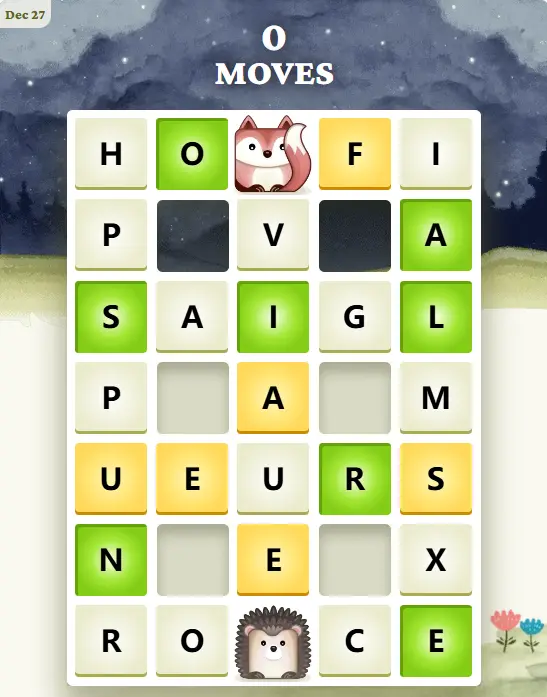
What Reunion Extreme is
Extreme is one of the two daily puzzle modes in Reunion. Per the official game help, Extreme puzzles tend to have fewer green tiles at the start and contain harder words, which makes them trickier to solve. The layout and gameplay remain exactly the same as Classic: drag letters and animals to form words in unbroken rows and columns, green means a letter is in its correct spot, and the board is solved when every letter is green and the two animals are reunited.
Extreme vs. Classic at a glance
| Aspect | Classic | Extreme |
|---|
| Starting green tiles | More of the board pre-solved | Fewer — most of the board is scrambled |
| Vocabulary | Everyday words | Harder, less common words |
| Rules and board layout | Standard | Identical to Classic |
| Stats and streaks | Tracked separately | Tracked separately |
| Daily availability | One board per day | One board per day |
Because each mode keeps its own stats and streaks, a failed Extreme run never damages your Classic record — the official help page confirms the two are stored separately. That makes Extreme a safe place to experiment even on days when you are protecting a streak.
How to solve an Extreme board in fewer moves
- Scan for the rarest letters first. With fewer greens on the board, uncommon letters (J, Q, X, Z, K) are your anchors — they usually have only one or two legal homes.
- Read the animal positions before moving anything. The fox and hedgehog must end up reunited, and they never change color. Plan their corridor early so you do not undo word rows later.
- Trust yellow, not white. A yellow letter belongs somewhere in that row or column. Park it in its best guess and let later moves refine it — the color will tell you if you were wrong.
- Expect harder vocabulary. When a row obviously spells a word but none of your placements turn green, the answer is probably a less common word, not a mistake. Try the unusual reading.
- Lock rows, then columns. Extreme boards give you less feedback early, so finish any row that already reads as a real word before disturbing columns.
Should you play Extreme or Classic first?
If you are new to the game, solve the Classic board first — it teaches the color rules with more of the board already solved. Switch to Extreme when Classic feels routine. A reasonable progression for the first week: Classic daily, Extreme every other day, then both daily once your Extreme move counts drop below the published average. Our practice plan and strategy guide cover the training routine in more depth.
Related Guides